
Multi-chain assets
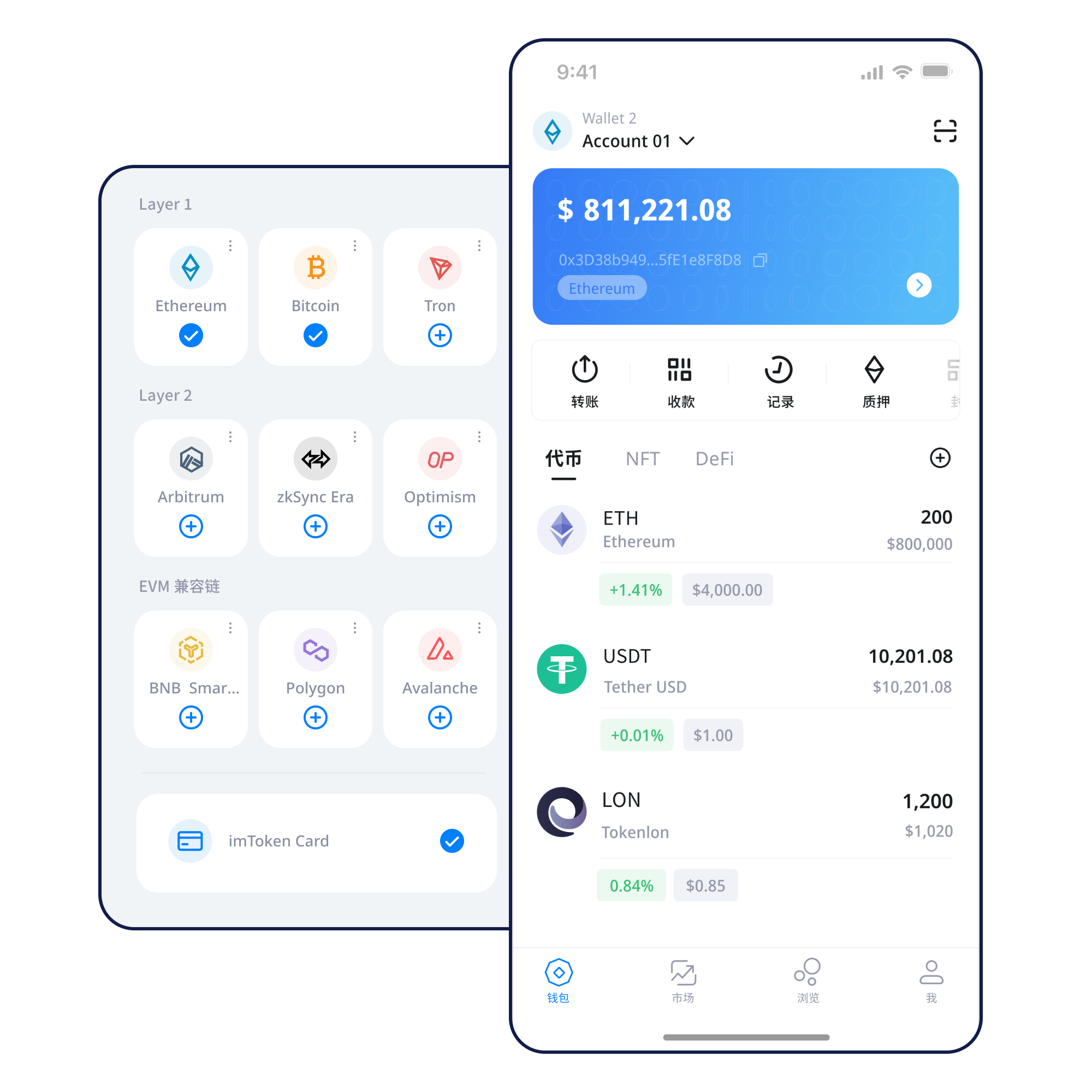
Before reviewing assets across networks, remember that each network maintains its own state. Address context, gas, confirmations and token contracts all depend on the active network.
A multi-chain wallet, blockchain network and Web3 knowledge hub from imtoken
From multi-chain asset views and network selection to sending, receiving, DApp connections and token approvals, imtoken brings wallet use and security checks into one learning path. Users remain responsible for seed phrases and private keys and should verify the address, network and request before each on-chain action.
Choose the task you need, understand the implications and then act.
Assets, networks, transactions and security are connected, so the overview uses different content scales so each kind of information has a clear visual hierarchy.
Before reviewing assets across networks, remember that each network maintains its own state. Address context, gas, confirmations and token contracts all depend on the active network.
Verify address and network when receiving, then amount, gas and transaction hash when sending.
Open transfer guide →Review networks, assets and transaction history while handling DApp requests from a mobile interface.
Browser use requires a clear distinction between account connection, message signing, token approval and transaction signing.
Seed phrases and private keys should be kept offline and should never be requested by another person.
Use network selection as the starting point for understanding addresses, gas, confirmations and cross-layer movement.
Multi-chain support gives users one place to understand several networks, while asset state remains independently recorded on each network.
Read more →Public chains use nodes, blocks and consensus to maintain a public ledger that can be inspected with a block explorer.
Read more →
EVM networks share a similar execution model, while chain IDs, gas, contracts and asset state remain independent.
Read more →
Moving assets between Layer 2 and the base layer can require bridging, message confirmation and additional waiting.
Read more →
Build repeatable security habits from setup and backup through transfers and approvals.
Start from a clear download entry point rather than installing unknown files from unsolicited links.
Understand the difference between creating and importing, and keep recovery credentials under your control.
Record the seed phrase accurately, store it offline and never send it to anyone.
The network determines asset state, gas and where the transaction is broadcast.
Confirm address and network when receiving; review amount and fees when sending.
Use transaction hashes to verify status and periodically remove approvals you no longer need.
Connecting a wallet does not mean every signature request should be accepted. Review every signature and approval independently.
Open Web3 guide →Seed phrases and private keys are central to wallet control. They should not be entered into ordinary webpages, sent to support agents, stored in public cloud documents or shared through chat. Because on-chain transactions are generally not reversible by a wallet provider, effective protection comes from pre-action checks, minimum permissions and independent verification.
Open Security Center →Start with addresses, seed phrases, private keys, networks, gas, transaction hashes, DApps and approvals before moving into real actions. The relationships matter more than isolated definitions: addresses receive publicly, private keys control accounts, networks determine where activity happens, gas pays execution costs and transaction hashes help verify status.
Start learning →Understand mechanics, exits and risk rather than chasing a fixed yield number.
Learn how Ethereum PoS, validators, reward sources, network state, withdrawals and exits work. Staking does not guarantee returns and rewards can change.
Read the basics →Validators may face protocol penalties, exits can involve waiting, smart contracts and third-party services carry risk, and digital-asset prices can fluctuate.
Learn PoS & Validators →Content-first notices without invented dates.
Start with common wallet, network, DApp and security questions.
No. Seed phrases and private keys should remain under the user’s control and should not be sent to websites, support agents or third parties.
Each network maintains its own ledger. Even when the address format is the same, balances and transaction histories belong to separate networks.
Confirm the recipient address, asset and network, and make sure the sender is using the same intended destination network.
Gas is the fee mechanism used to execute transactions or contract operations. The calculation and amount vary by network.
A transaction hash is a public identifier used to inspect whether a transaction was broadcast, included, confirmed or failed.
No. Connection, signing, token approval and sending a transaction are separate actions and should be reviewed independently.
A signature can carry authorization meaning. Its safety depends on the content and purpose. Do not approve a signature you do not understand.
All download actions lead to the download page and continue only after the user actively clicks.